
Beyond the awards: Twenty years of measuring ourselves against the best
By Jarred Evans, Managing Director, PDR
Following PDR's 100th major international design award, Jarred Evans reflects on why independent judgement still matters, what two decades of recognition reveal about the evolution of the practice, and why the real value has always been in improving the work.
Awards were never the point
Reaching our 100th major international design award, following the recent Red Dot recognition for the Nexus Intelligent Laser Machine, has given us an opportunity to reflect on twenty years of international recognition and what it means to PDR.
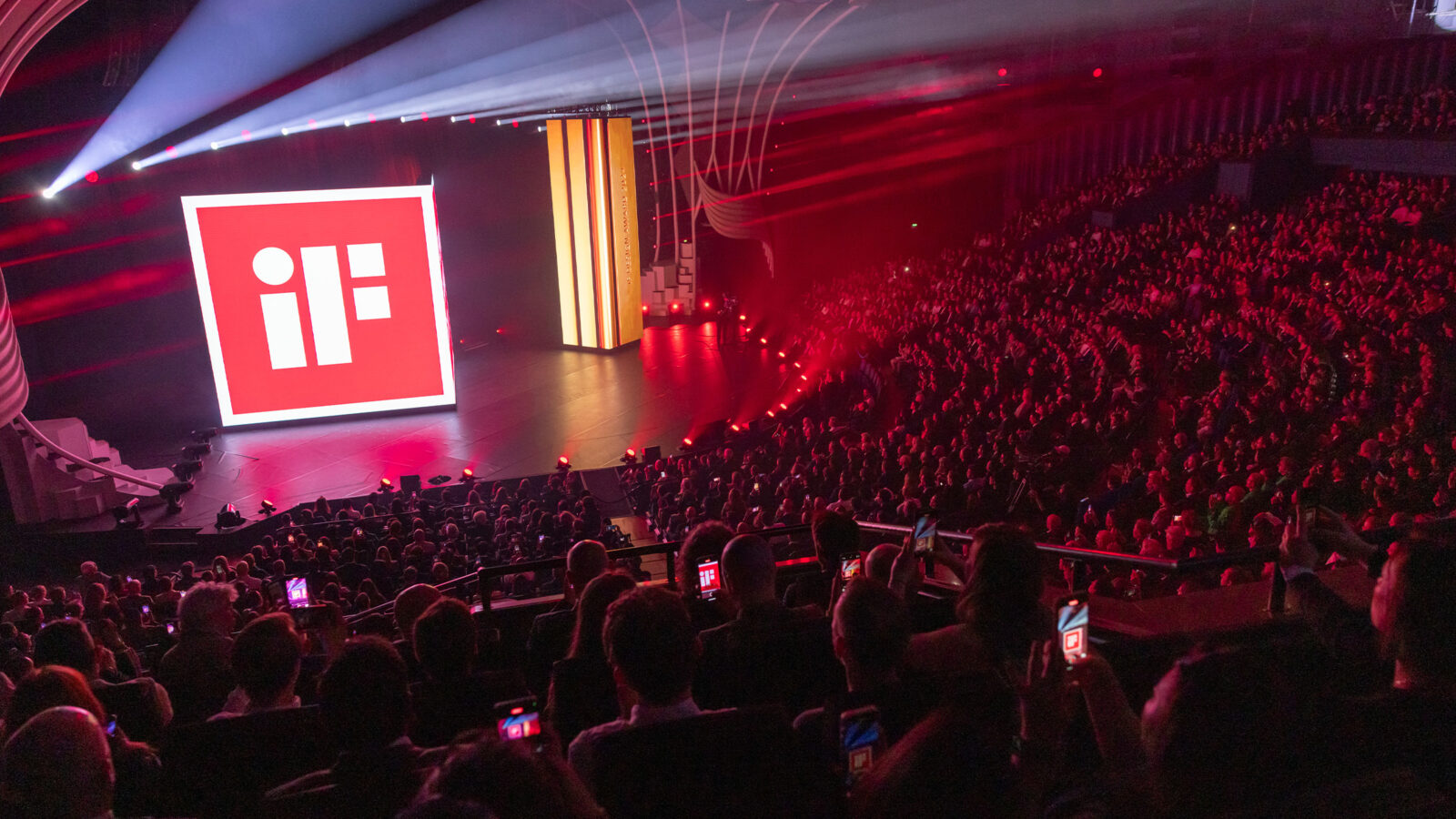
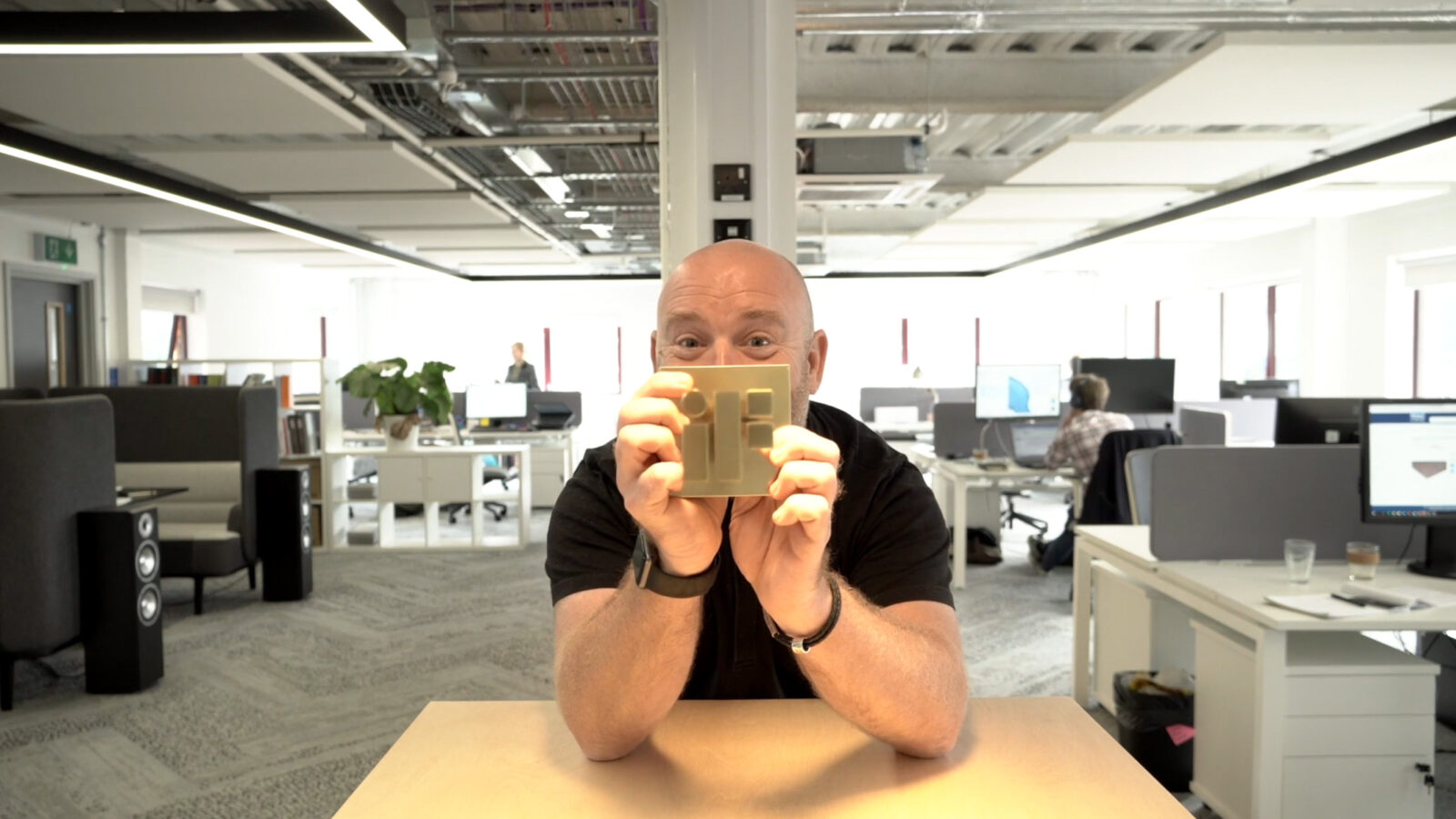
We started entering international design awards in 2006. It was a very deliberate decision. If one of the pillars of culture in any organisation is around the myths and legends, then the story of my dropping an iF Award book onto a table soon after I joined is one I hear told back to me often.
The purpose was never to collect trophies. It was to put our work in front of truly independent juries, from many of the best design teams in the world, and find out where we really stood.
It's a challenge, a calibration, a sense check, call it what you will, but I believe there is something inherently healthy about independant external judgement and the challenge of competition.

It removes some of the comfort that inevitably builds up inside any organisation. Clients may be pleased. Teams may be proud of the work. Commercially, a product may be successful, but an external jury asks a different question: when the work is stripped of its internal history, relationships and explanation, does the design itself stand up?
That has remained the useful part for us. The awards have given PDR a consistent external benchmark over two decades. Sometimes the result has confirmed that we were moving in the right direction; oftentimes it has made us look harder at what we were doing and dig deeper.
Whatever the outcome, the real value has been in improving the work.
From occasional success to a sustained record
The early years brought iF, Red Dot and IDEA recognition. What became more interesting was not any one award, but the consistency that followed.
Through the 2010s, the record began to develop across products such as René, Sonicaid Team3, the DMX Digital Doppler and Layr. Medical and healthcare design became a particular strength, but it was never the only one.
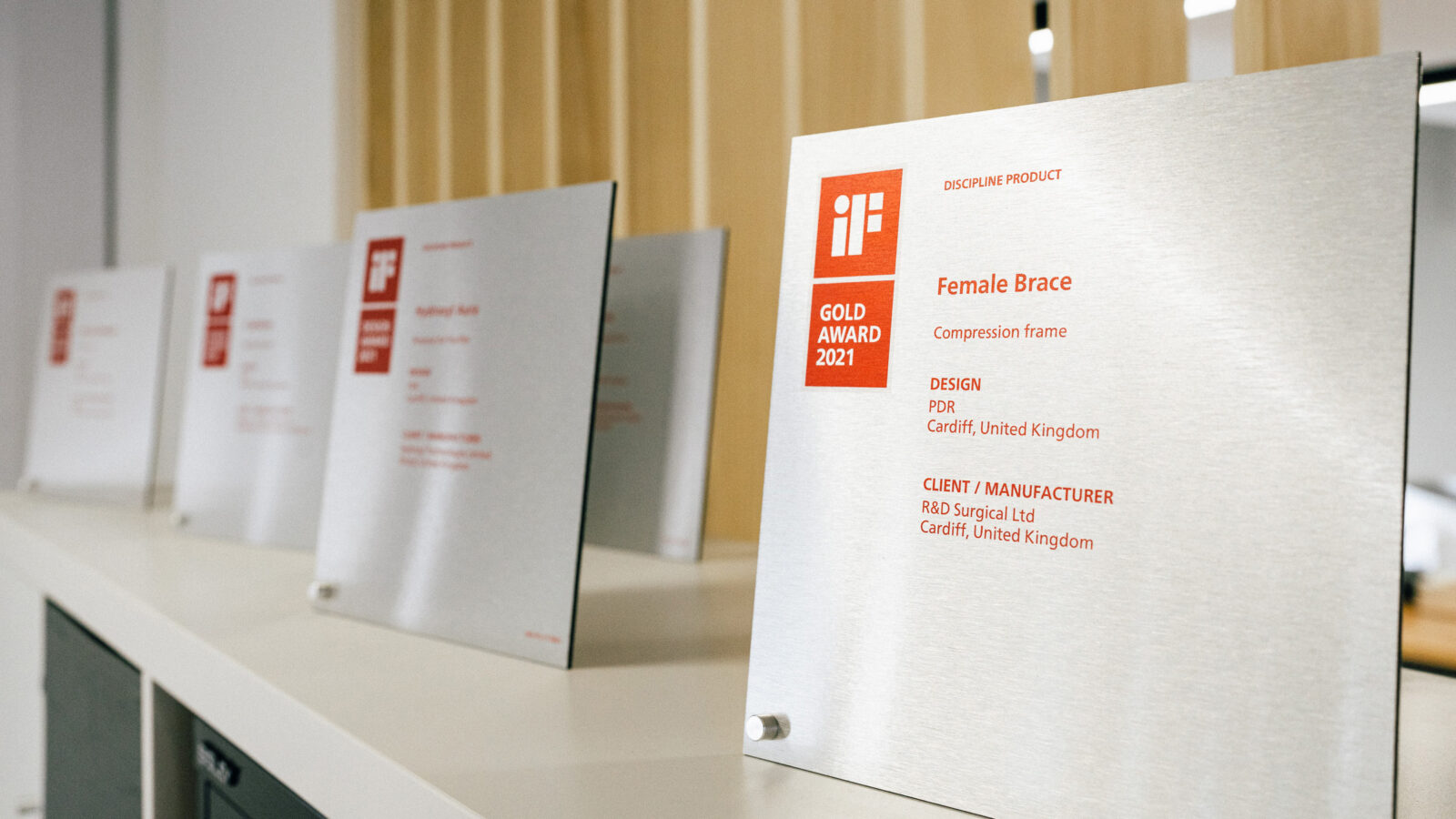
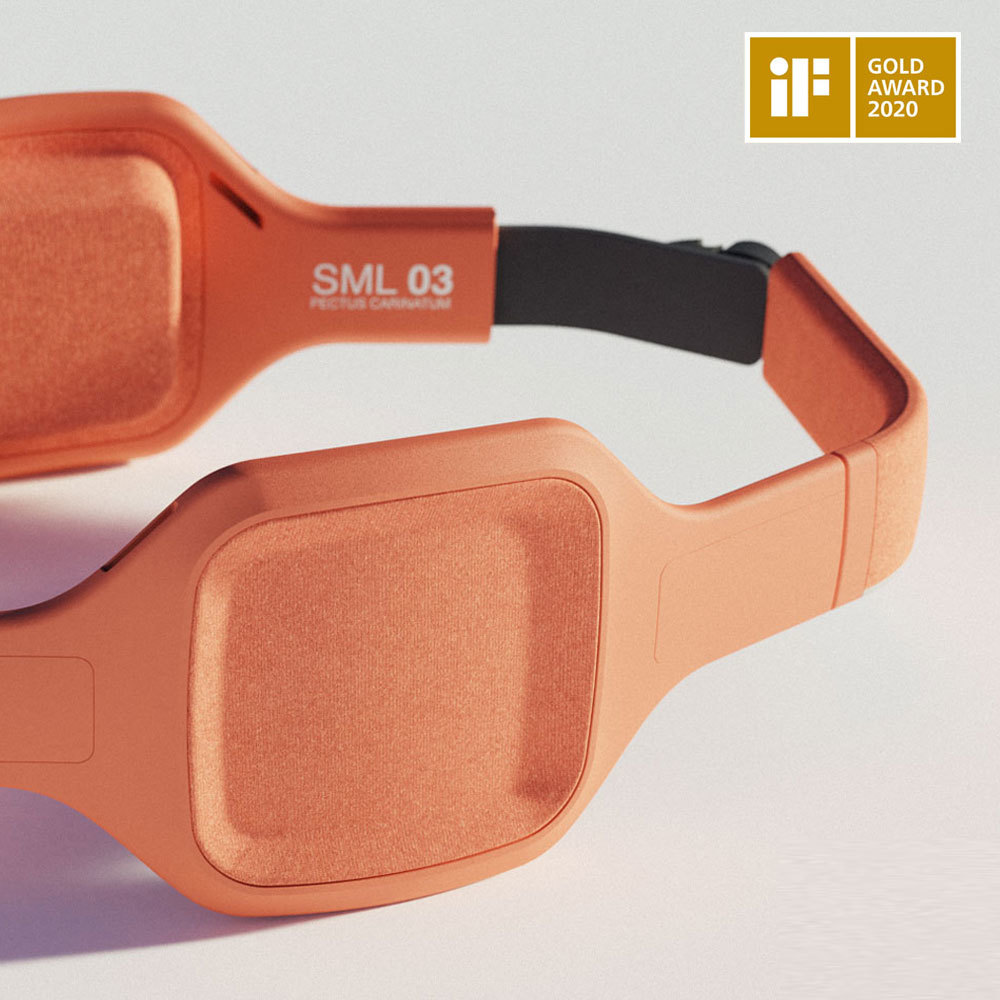
The period from 2020 marked another step. Brace received an iF Gold Award in 2020, followed by Female Brace in 2021. Consecutive iF Golds for work rooted in very specific human needs.
That matters to us. A project being recognised by iF, Red Dot, IDEA and GOOD DESIGN is not simply four badges on the same piece of work. The programmes have different juries, criteria and traditions.
Repeated recognition provides a much more useful indication that the work is resolving a real combination of user, technical, commercial and design challenges.
A broader definition of design
The more recent award history is perhaps the best reflection of how PDR itself has changed.
We remain deeply grounded in industrial and product design, but the work now stretches across service design, user experience, research, healthcare systems, circularity, packaging and connected products.
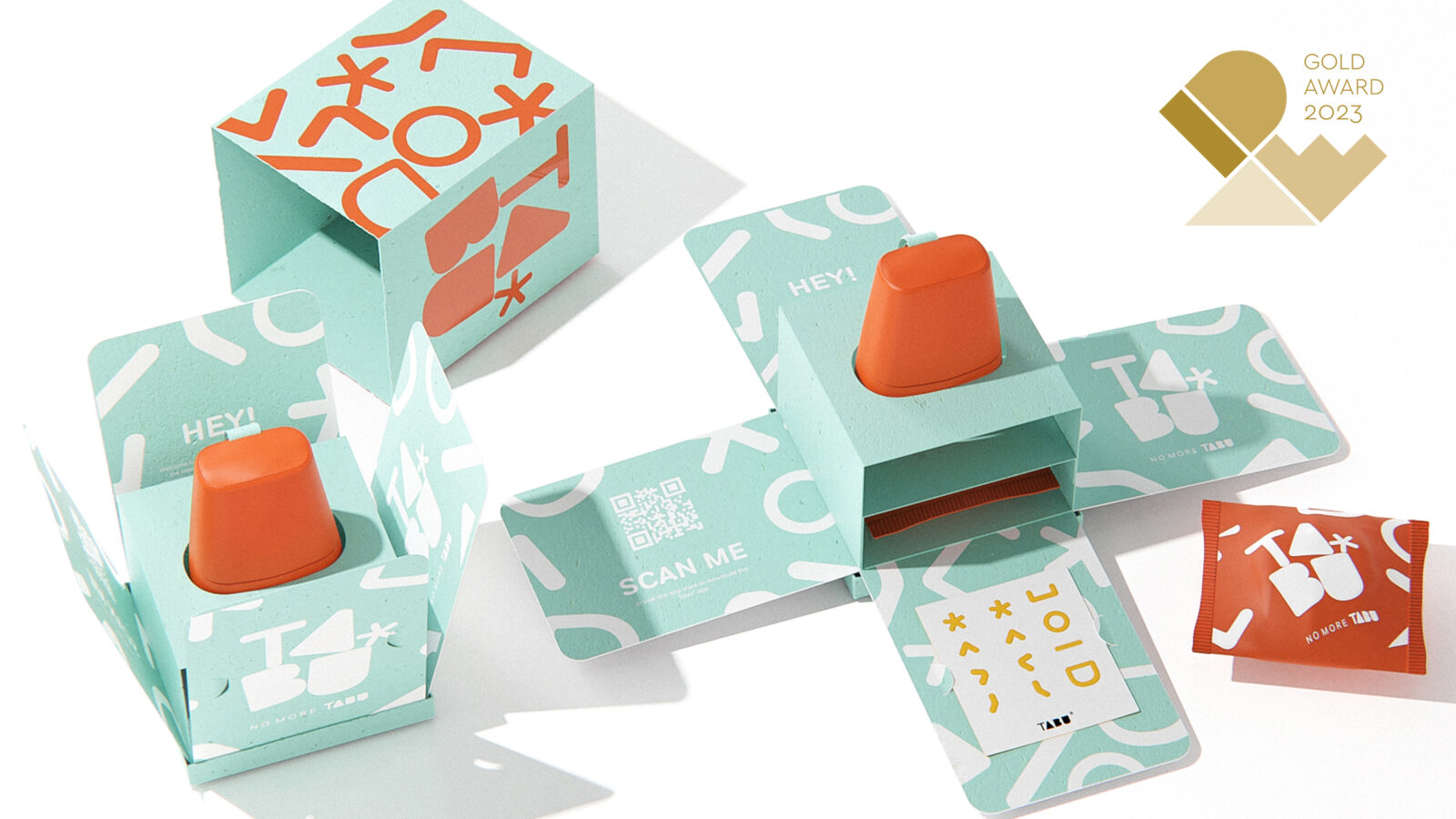
Tabu* won IDEA Gold in 2023 for a concept addressing menstruation, education and period poverty. ReGen brought together product design and circular thinking around a child mobility system. Me. moved into neglected areas of female health. Tidal took service design into personalised assistive technology.
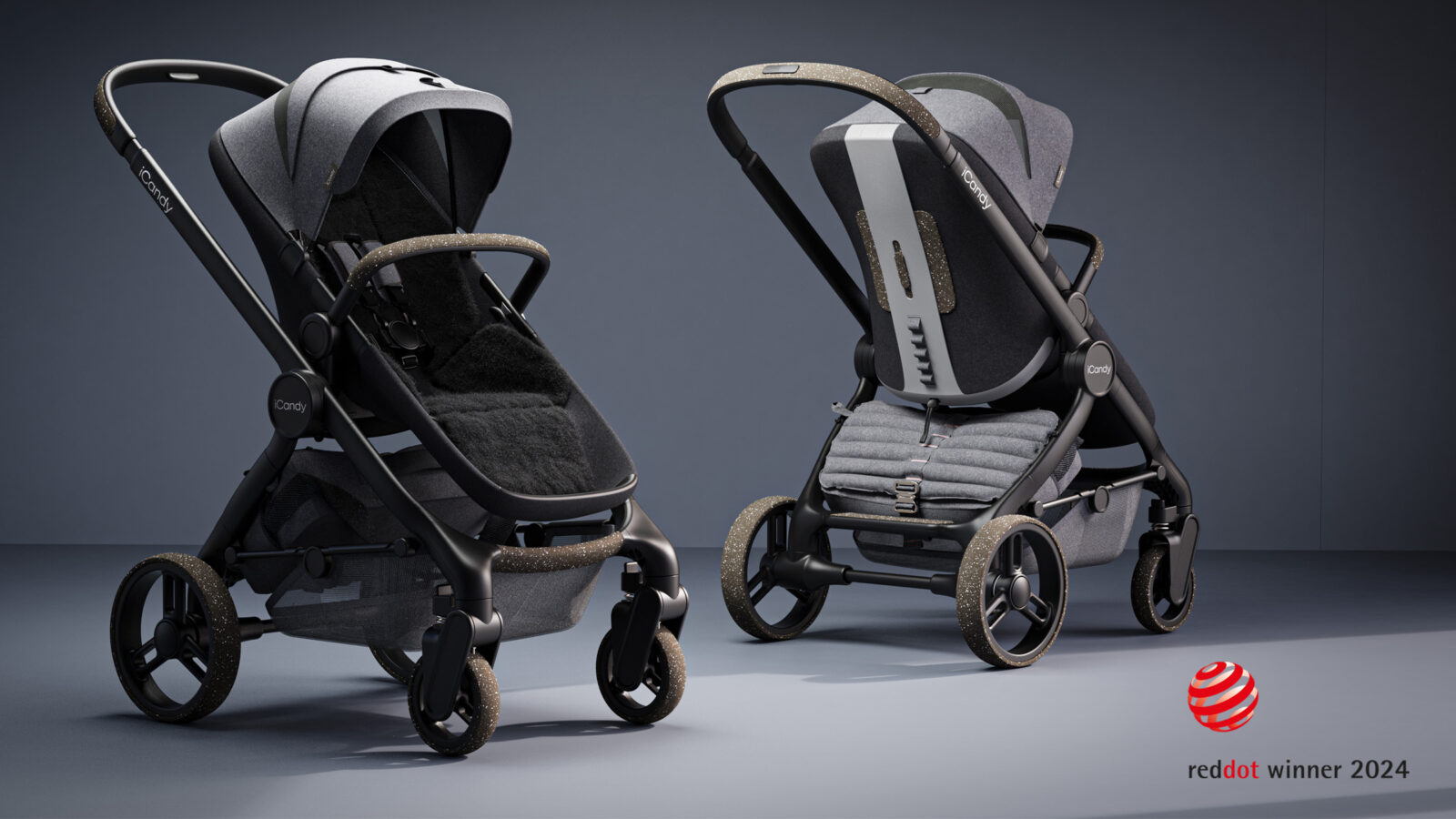


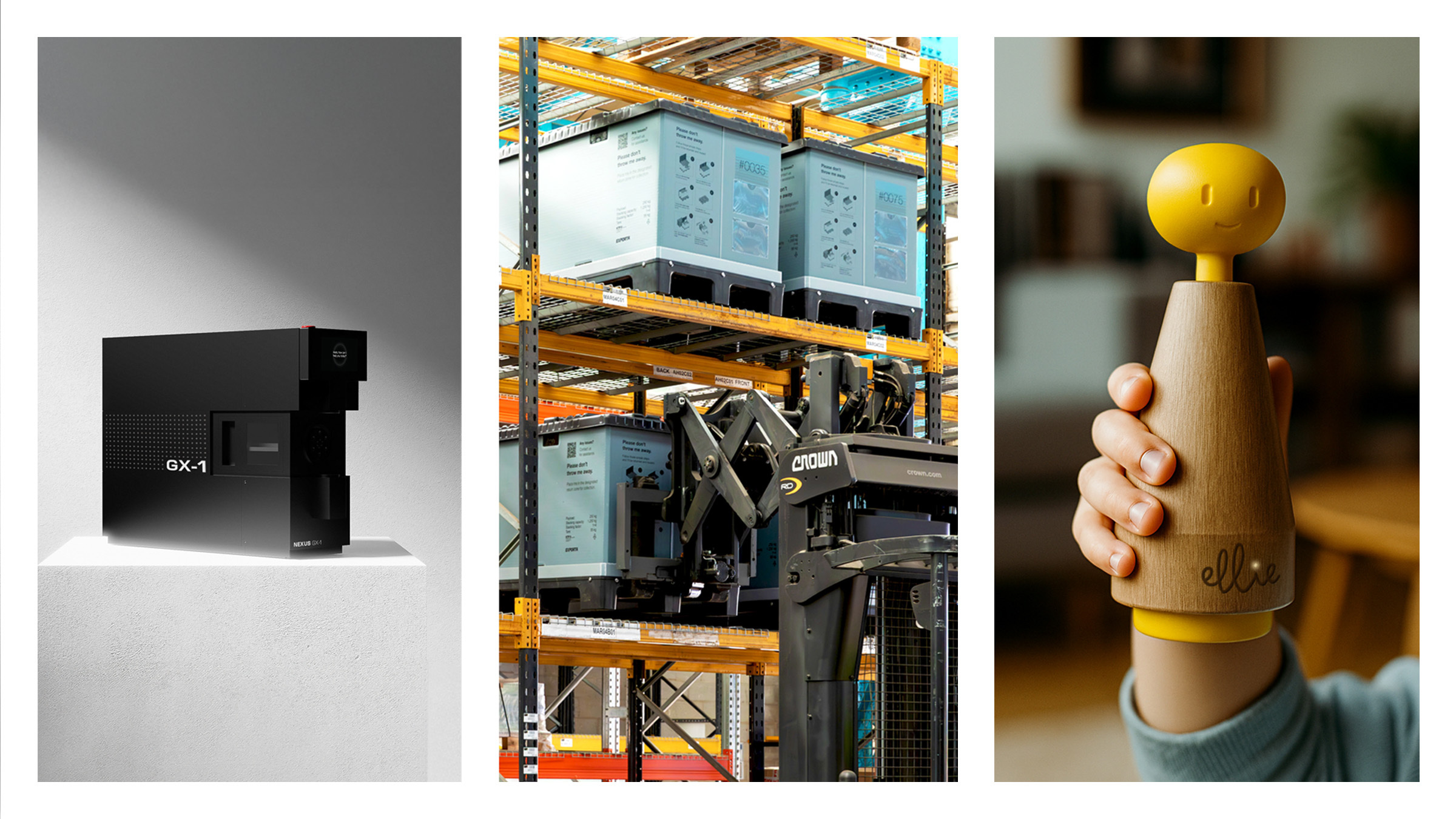
In 2026, three iF awards arrived in three different disciplines: Nexus in industrial product design, Geopak in service design and Ellie in user experience concepts.
For us, that breadth is more interesting than simply increasing the count. It shows a design practice able to move from a physical object, to an interface, to a service, to a system, while retaining the same underlying concern with people, context and implementation.
What the rankings now say
Awards are individual moments. Rankings are more useful because they look at performance over time. They are also less easy to explain away as a particularly good year or one unusually successful project.
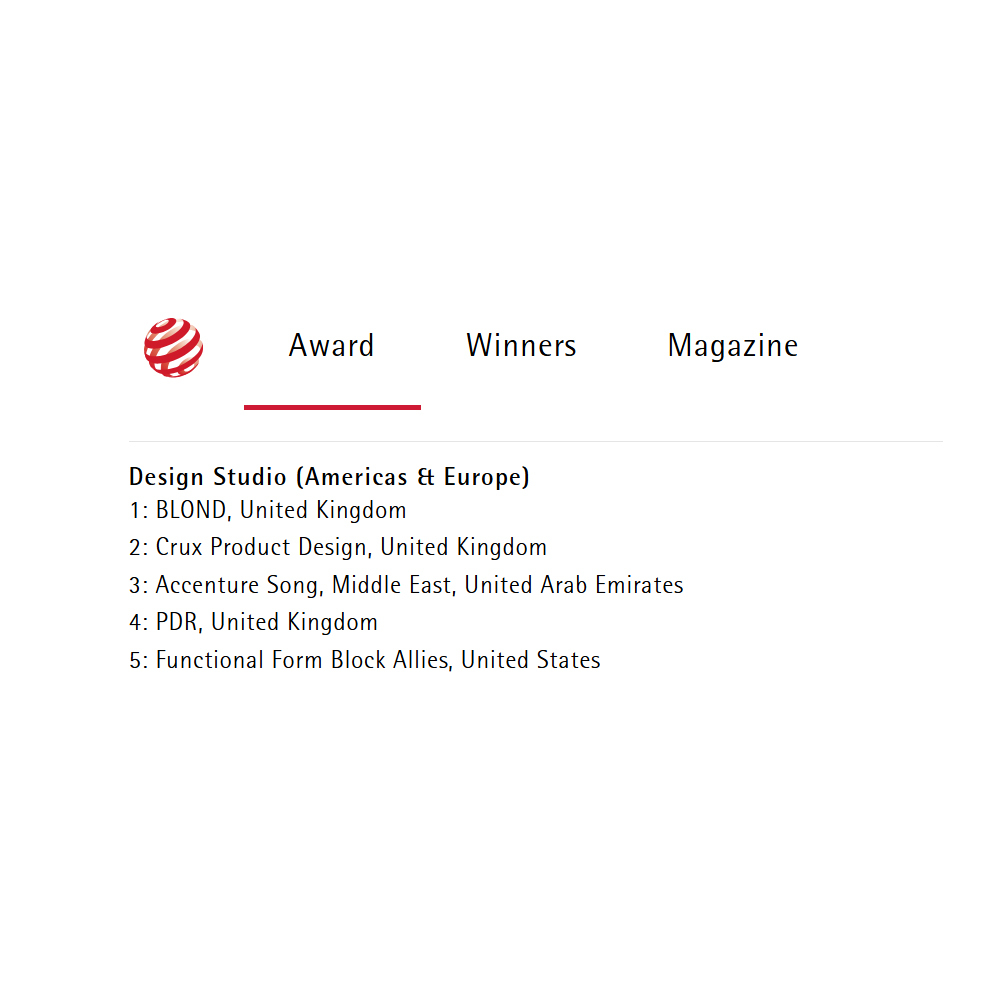
In Red Dot's 2026 Design Concept ranking, PDR was placed fourth among design studios across Europe and the Americas.
The iF ranking tells a similarly useful story, with PDR holding number-one UK positions in Industry, Service Design and Medical/Healthcare, and a number-one European position in User Experience Concepts.
The point is not that a ranking proves one consultancy is universally 'better' than another. Design does not work like that. What it does provide is an independent indication of consistency, breadth and the ability to perform internationally over a sustained period.
The value beyond the number
The more important point is what sits behind our 100 awards: a twenty-year habit of putting work into independent international scrutiny; a move from products into wider systems and services; and repeated recognition across different design disciplines.
There is also a useful discipline in awards work itself. To enter a project well, you have to explain the problem clearly, identify what is genuinely new, evidence the user and commercial value, and show why the design decisions matter.
That process forces a degree of reflection that is useful whether the project eventually wins or not.

So we will keep entering selectively. Not everything we do should become an award entry, and an award can never replace successful implementation, adoption or commercial impact.
But as one external measure of whether our design work continues to move forward, it remains a keystone of value to PDR.
The objective has always been simple: keep getting better, project by project, and use the highest level of independent international judging as one way of checking our progress.
“The purpose was never to collect trophies. It was to put our work in front of truly independent juries, from many of the best design teams in the world, and find out where we really stood.”
Jarred Evans, Managing Director, PDR