
Making Uncertainty Manageable: Lessons from Eight Years of Supporting R&D in the Creative Industries
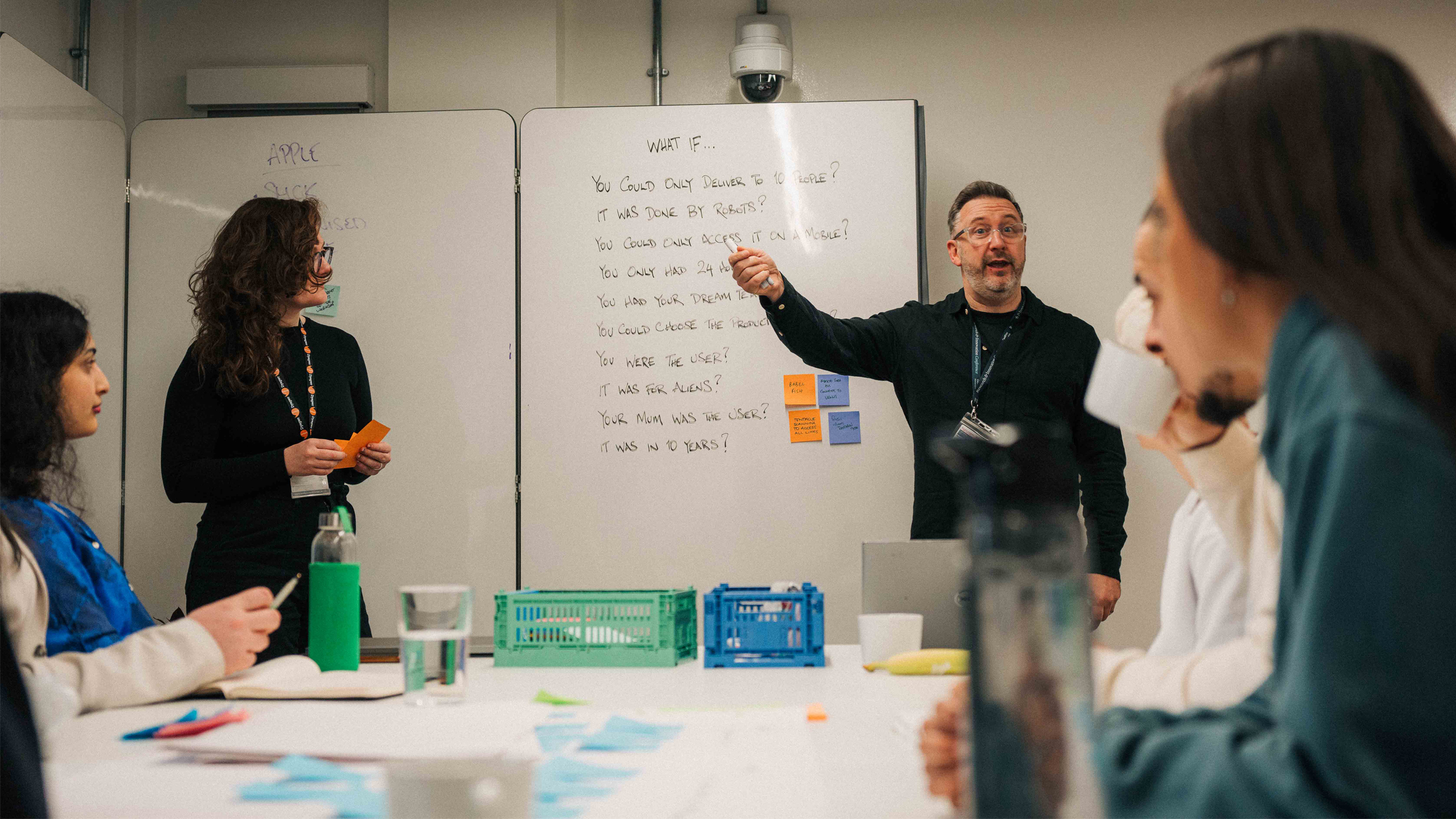
Creative organisations don’t need to be taught how to be creative. So what support do they actually need to help them undertake research, development and innovation?
That was one of the questions we explored at PLAYBACK, Media Cymru’s Festival of Innovation, which brought together projects, partners and researchers to reflect on several years of R&D across Wales’ media sector.
For eight years, through Clwstwr and Media Cymru, PDR has been applying its experience of design-led innovation to support creative companies, organisations and freelancers. Across that work, we have increasingly come to think that one of the most valuable things innovation support can provide is self-efficacy: helping people feel that R&D is something they are capable of doing themselves.
Creative companies are already innovating
When we first started working with creative businesses through Clwstwr, we noticed they were relatively underrepresented in conventional innovation environments: innovation networks, R&D funding applications and traditional forms of innovation support.
But this certainly wasn't because they weren't innovative.
The organisations we worked with were constantly generating ideas, experimenting, solving problems and responding to audiences. The difficulty was that these activities did not always resemble the formal language and structures through which R&D and innovation were presented.
So rather than teaching organisations how to "be innovative", we started somewhere more practical: What are you trying to achieve? Who are you trying to achieve it for? What are you assuming about their needs? And how could you find out whether those assumptions are correct?
Interestingly, we could spend quite a lot of time supporting innovation without talking very much about "innovation" at all.
Giving people a language for R&D
Design proved particularly useful because it provides an accessible structure for working with uncertainty.
A user-centred design process encourages people to understand those affected by a problem, question their assumptions, generate possibilities and progressively learn through research and experimentation.
Instead of beginning with "we have an idea and need to develop it", we can begin with "we think there is a need here – how might we find out?"
Looking at a challenge through the experiences of users, audiences or stakeholders gives projects permission to discover that their original interpretation might be wrong. Changing your mind as a result of research isn't a failure of the R&D process – it is the R&D process.
Learning by doing
We've also learned that simply explaining a design process isn't particularly useful. People need to experience it.
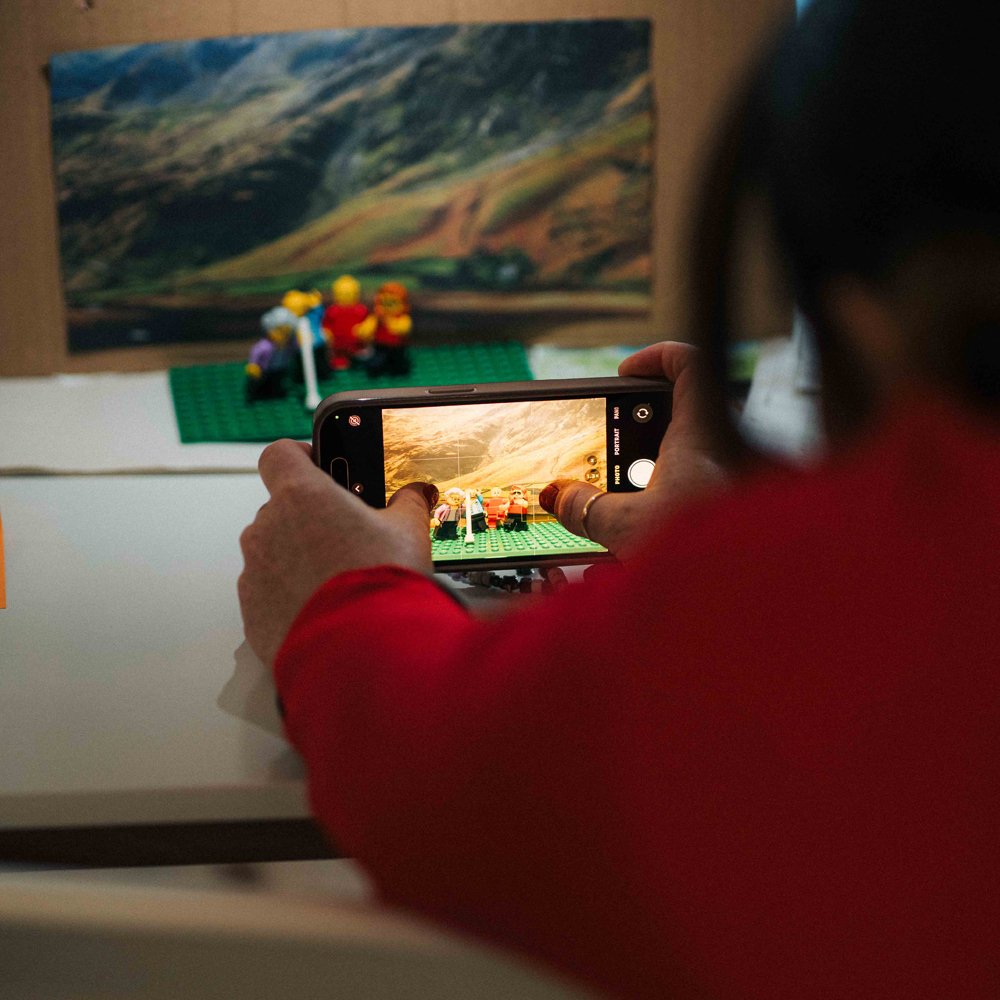
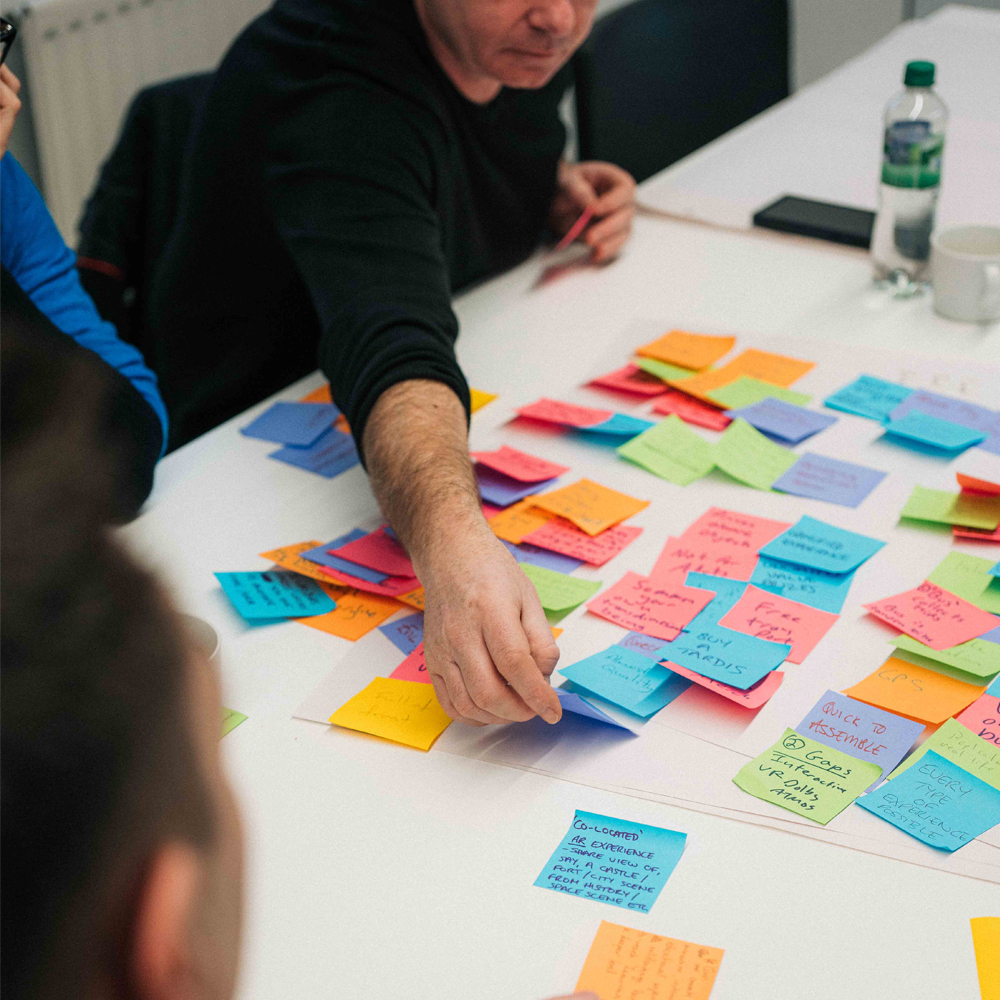
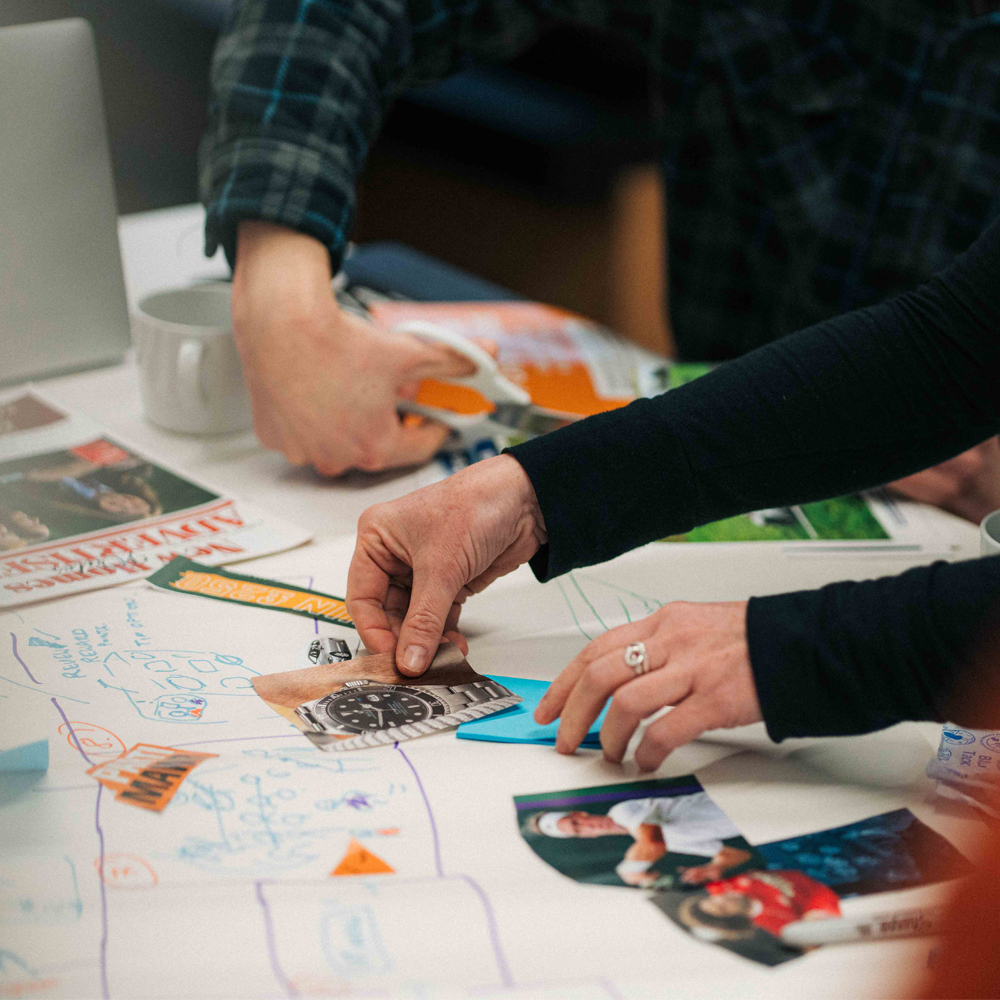
Much of our support has therefore been deliberately practical: visual tools, post-it notes, sketches and prototypes that take something from inside somebody's head and put it somewhere others can see, discuss and challenge.
We're not trying to turn everybody into a designer, or insisting that they use a particular method "correctly". We want people to develop a repertoire of things they can use when they encounter uncertainty.
If a tool isn't useful, change it. If research reveals a more important question, follow it. If a prototype fails, work out what that tells you.
Making ideas tangible early also lowers the stakes. A paper prototype is easier to discard than something that has taken three months and a significant R&D budget to develop.
We're trying to make changing your mind feel like progress rather than failure.
Support isn't just about the toolkit
Another, less visible part of innovation support is the relationship between those undertaking R&D and those supporting them.
During Media Cymru, we've often described PDR as becoming a temporary or extended part of a project team. We're not simply consultants telling somebody what to do, nor assessors checking whether they've followed a process correctly. Instead, we become somebody they can think with.
Sometimes that means providing expertise; sometimes being a sounding board; sometimes asking an irritatingly simple question. And sometimes it means reassuring somebody that uncertainty isn't evidence their project is going badly – uncertainty is simply what R&D feels like.
One company we supported through Media Cymru described the experience particularly well:
“The team was working with us, teaching and breaking things down so it was more manageable… Brought massive relief as we were in control but had the support and guidance.”
That phrase – “we were in control” – matters. Good innovation support shouldn't create dependency. It should provide enough structure, challenge and reassurance for people to develop confidence in their own ability to navigate the process.
What did participants experience?
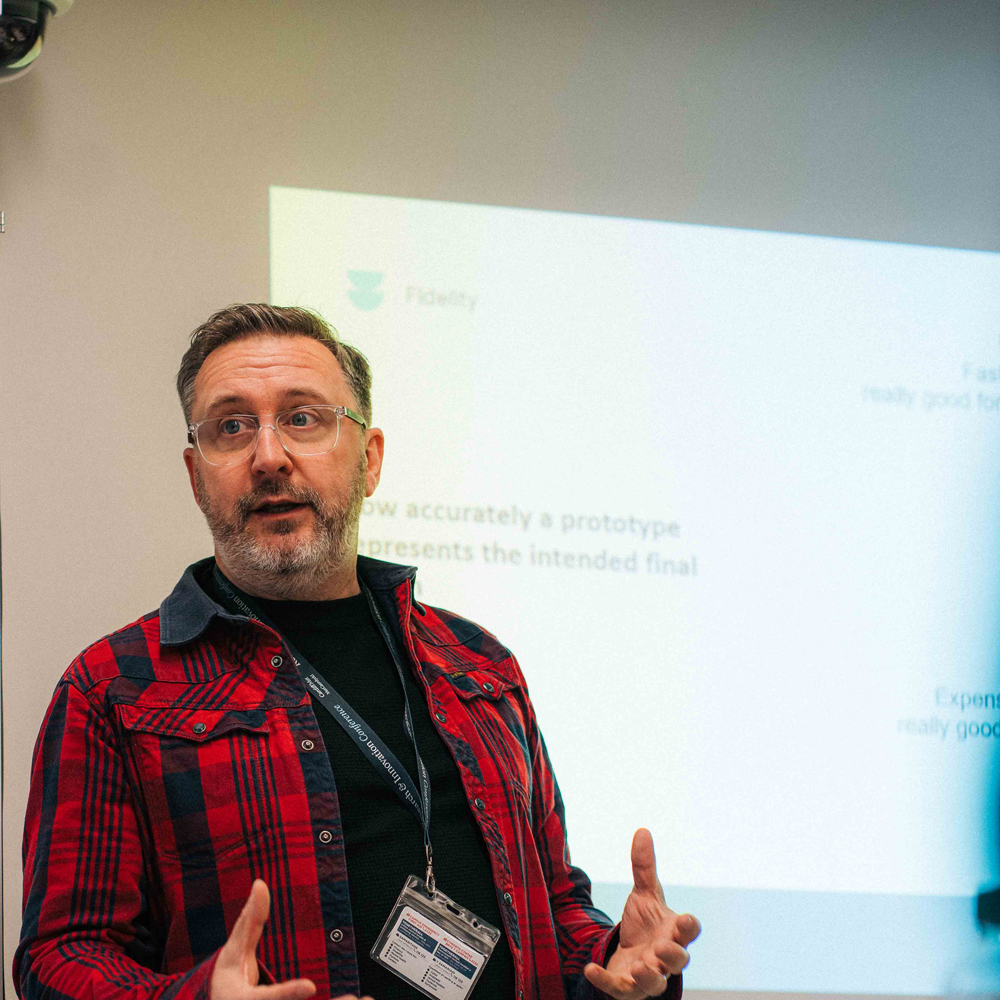
PDR's Dr Safia Suhaimi has been examining evidence collected across several years of Media Cymru activity: around 80 pieces of written feedback, observations from more than 160 project sessions, and 50 exit interviews.
Three consistent themes emerge.
Participants valued practical skills, tools and processes they could use beyond their immediate project. They described changes in how they understood and framed R&D, including greater emphasis on user need and willingness to question the initial problem. And they valued the tailored facilitation surrounding the process – having somebody with whom they could sense-check interpretations, discuss something that hadn't worked or identify the next useful question.
Importantly, participants weren't telling us the support made uncertainty disappear. Instead, it appears to have made uncertainty manageable.
Confidence grounded in capability
All of the interviewed projects agreed that user-centred design methods had increased their confidence in their R&D ability and provided a process they could take into future R&D.
The second part is perhaps more important than the first. Confidence without capability isn't particularly useful.
What we're interested in developing is confidence grounded in experience: I've done something like this before. I have tools I can use. I know how to investigate uncertainty. I know the problem might change. And I know that discovering something doesn't work can help me decide what to do next.
That's very different from simply encouraging people to "be innovative".
Designing more accessible innovation systems
There is a wider implication for innovation support.
Design can help organisations develop better products, services and experiences. But our experience suggests it can also build the underlying capability and confidence to undertake innovation in the first place.
That matters when trying to engage sectors and organisations traditionally less visible within formal R&D systems. Making funding available may not be enough if we then expect participants to adapt themselves to an established language and culture of innovation. Perhaps the support – and sometimes the innovation system itself – needs to be designed around how those organisations actually work.
So rather than asking only:
"How do we get more people into our innovation system?"
perhaps we should also ask:
"How might we design an innovation system in which more people can recognise themselves?"
Creative organisations don't necessarily need to be taught how to be creative, or even how to innovate. What they can benefit from is a way of making uncertainty manageable: a language for R&D, a process for investigating it, practical tools for learning, and enough support to develop confidence in their own ability to navigate the journey.
Not "I know the answer."
But "I'm confident that I can find out."